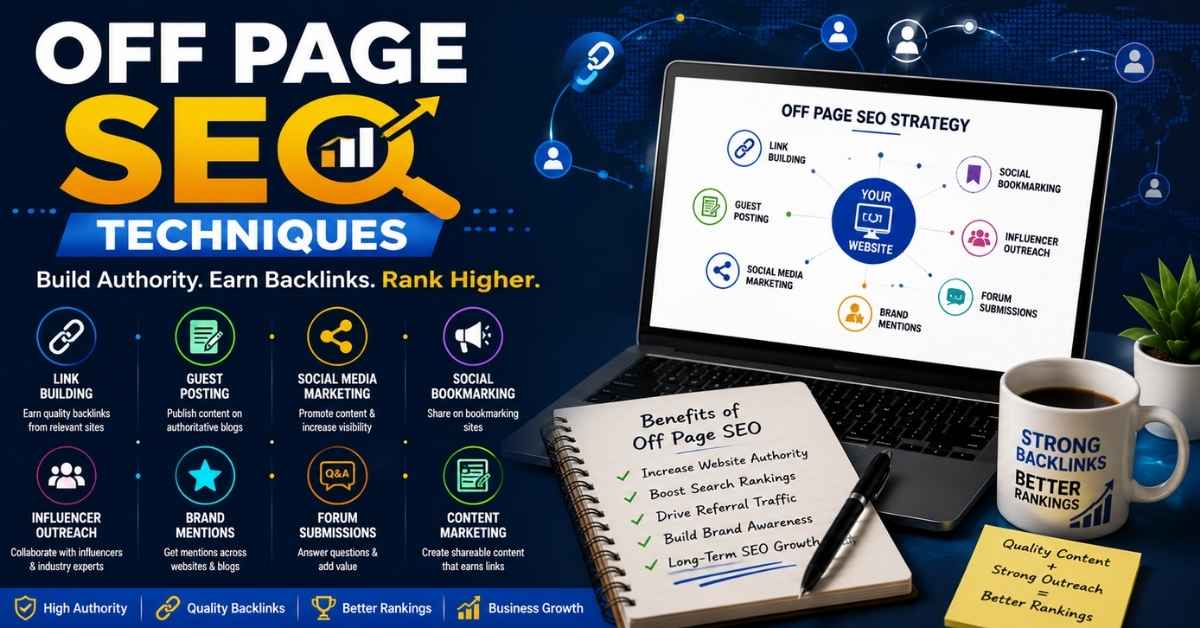
Off page SEO techniques are strategies performed outside your website to improve its authority, credibility, trustworthiness, and search engine rankings. Unlike on-page SEO, which focuses on optimizing your website's content and structure, off-page SEO strengthens your online reputation through high-quality backlinks, brand mentions, digital PR, content promotion, local citations, influencer collaborations, and other trust-building signals. When implemented correctly, these techniques help search engines recognize your website as a reliable source, leading to better organic traffic, stronger topical authority, and long-term ranking improvements.
Today's SEO is no longer just about getting more backlinks. Google's ranking systems evaluate E-E-A-T (Experience, Expertise, Authoritativeness, and Trustworthiness), search intent, entity optimization, semantic SEO, and genuine brand authority. This guide covers the latest off page SEO techniques, explains what are off page SEO techniques, provides a practical off page SEO techniques list, and shows you how to build authority using ethical, sustainable methods that continue to work in 2026.
What Is Off Page SEO Techniques?
Many beginners search for what is off page seo techniques, but the concept is simpler than it sounds.
Off-page SEO techniques are all the activities you perform outside your website to increase its reputation and visibility in search engines. These activities signal to Google that other websites and users trust your content, making your pages more likely to rank for competitive keywords.
Think of your website as a professional resume. Great content and technical optimization make the resume impressive, but recommendations from respected people strengthen your credibility. Off-page SEO works in a similar way by earning endorsements from other trusted sources across the web.
A Simple Definition Anyone Can Understand
In simple terms, off-page SEO focuses on building authority rather than editing website pages.
It includes activities such as:
- Editorial backlink building
- Digital PR
- Guest posting
- Brand mentions
- Local business citations
- Social media promotion
- Influencer collaborations
- Online reviews
- Community engagement
These signals help search engines understand that your website is valuable beyond its own pages.
Why Off-Page SEO Matters More Than Ever in 2026
Search engines have become much better at evaluating quality instead of quantity.
Years ago, websites could improve rankings simply by collecting hundreds of backlinks. That approach no longer works consistently because Google evaluates:
- Link quality
- Topical relevance
- Editorial context
- Brand authority
- Entity relationships
- User trust
- Content usefulness
- Search intent satisfaction
A website with fewer but highly relevant editorial backlinks often performs better than one with thousands of low-quality links.
Off-Page SEO vs On-Page SEO vs Technical SEO
| SEO Type | Primary Focus | Example |
| On-Page SEO | Optimizing website content | Titles, headings, internal links |
| Technical SEO | Website performance | Core Web Vitals, crawlability, XML sitemap |
| Off-Page SEO | Building authority | Backlinks, brand mentions, digital PR |
The strongest SEO strategies combine all three rather than relying on one area alone.
How Google Evaluates Website Authority Beyond Your Website
Google analyzes many external signals to understand your site's reputation, including:
- Editorial backlinks
- Brand mentions
- Referring domains
- Online reviews
- Citation consistency
- Content sharing
- Expert references
- Industry recognition
- Topical authority
Rather than chasing as many links as possible, focus on earning trust from relevant and reputable sources.
What Are Off Page SEO Techniques?
If you're wondering what are off page seo techniques, they are the methods used to improve a website's authority, reputation, and visibility through activities that happen away from the website itself.
Every successful SEO campaign includes both on-page optimization and off-page SEO because rankings depend on more than great content alone.
The Goal of Off-Page SEO
The primary objective is to help search engines answer three important questions:
- Can this website be trusted?
- Is this website recognized within its industry?
- Do other authoritative sources recommend it?
The stronger these signals become, the more competitive your website can be in search results.
How Off-Page SEO Improves Rankings
High-quality off-page SEO contributes to:
- Higher keyword rankings
- Better organic visibility
- Increased referral traffic
- Stronger brand recognition
- More natural backlinks
- Greater user trust
- Improved topical authority
These benefits usually develop gradually through consistent effort rather than overnight success.
Ranking Signals You Can't Control Directly
Unlike editing a webpage, many off-page signals depend on how others interact with your brand.
Examples include:
- Editorial links from trusted publications
- Positive customer reviews
- Social media discussions
- Brand mentions without links
- Industry recommendations
- Podcast interviews
- Community participation
Although you can't force these signals, you can encourage them by publishing valuable resources and building genuine relationships.
White Hat vs Gray Hat vs Black Hat SEO Techniques
Understanding the difference is essential.
| Approach | Risk Level | Long-Term Value |
| White Hat SEO | Low | Excellent |
| Gray Hat SEO | Moderate | Unpredictable |
| Black Hat SEO | High | Poor |
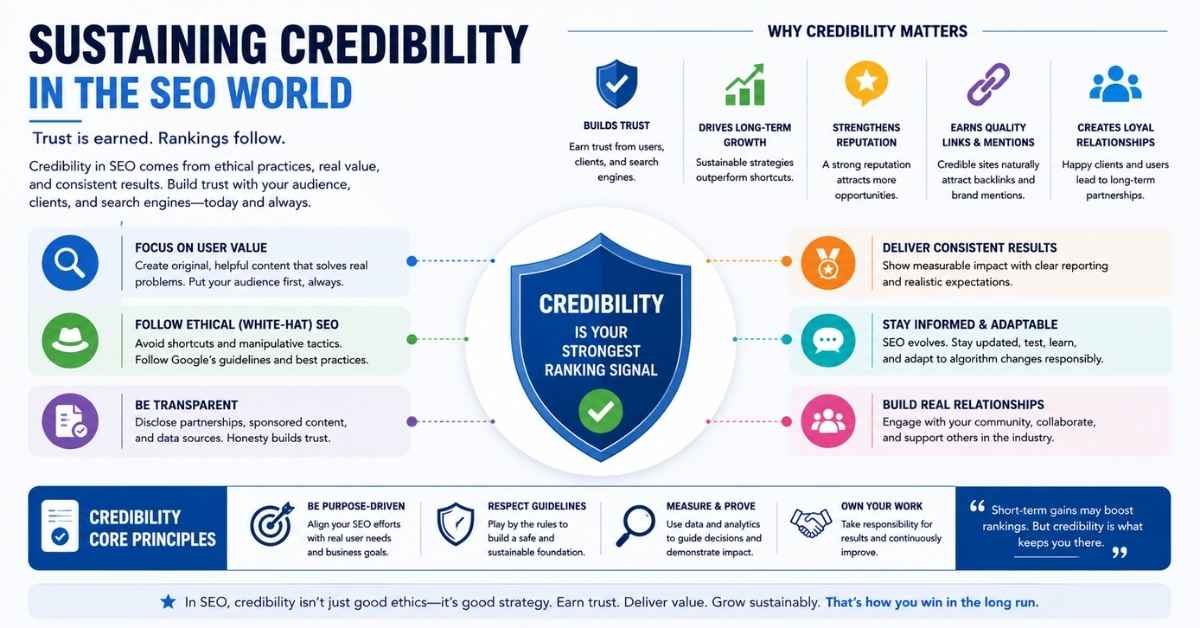
White hat techniques focus on earning authority naturally through quality content, outreach, and relationships.
Gray hat methods exploit ranking opportunities that may violate future guidelines.
Black hat SEO includes manipulative tactics such as link farms, private blog networks used solely for ranking manipulation, automated spam, and paid link schemes that violate search engine policies.
For sustainable growth, always prioritize ethical, user-focused strategies.
Latest Off Page SEO Techniques That Actually Work in 2026
Many outdated articles still recommend techniques that produce little value today. The latest off page SEO techniques emphasize trust, expertise, and genuine brand visibility rather than artificial link building.
Entity-Based SEO
Search engines increasingly understand websites as entities rather than collections of keywords.
Strengthen your entity by:
- Publishing expert content
- Maintaining consistent business information
- Earning mentions from authoritative websites
- Building author credibility
- Creating comprehensive topic clusters
Digital PR Campaigns
Digital PR is one of the most effective authority-building strategies.
Create:
- Original research
- Industry reports
- Surveys
- Interactive tools
- Data-driven studies
Journalists and publishers are far more likely to reference unique resources than ordinary blog posts.
Brand Mention Optimization
Not every valuable mention includes a backlink.
Positive mentions across:
- News websites
- Podcasts
- Industry blogs
- Forums
- Social platforms
help strengthen your brand's online presence and reinforce trust.
AI Search Visibility
Modern search experiences increasingly rely on entity understanding and authoritative content.
Improve visibility by:
- Publishing original insights
- Demonstrating expertise
- Answering user questions clearly
- Maintaining factual accuracy
- Covering topics comprehensively
Podcast Guest Appearances
Appearing on relevant podcasts expands your audience while earning valuable mentions and referral traffic.
Unlike traditional guest posts, podcast interviews often build stronger personal credibility.
Community-Led Marketing
Contribute meaningful insights in communities where your audience already participates.
Examples include:
- Professional forums
- Industry groups
- Q&A communities
- Online events
- Webinars
Focus on helping people rather than promoting your website.
Data-Driven Content Promotion
Original statistics naturally attract links.
Consider publishing:
- Annual reports
- Benchmark studies
- Market research
- Industry surveys
- Case summaries
Unique data often becomes a reference for other publishers.
Video SEO Promotion
High-quality videos increase brand awareness while supporting broader content marketing efforts.
Repurpose articles into:
- Tutorials
- Explainer videos
- Webinars
- Product demonstrations
- Educational series
This helps reach audiences who prefer visual learning.
Personal Brand Building
Search engines increasingly recognize expertise through individual contributors.
Build your professional reputation by:
- Speaking at industry events
- Publishing expert opinions
- Sharing research
- Participating in interviews
- Contributing guest articles
- Maintaining consistent thought leadership
A respected personal brand often strengthens the authority of the businesses associated with it.
Complete Off Page SEO Techniques List (Prioritized by ROI)
Not every strategy delivers the same value. The following off page SEO techniques list prioritizes methods based on long-term effectiveness, scalability, and sustainability.
Tier 1 – High-Impact Techniques
These should receive the highest priority.
- Editorial link building
- Digital PR
- Resource page outreach
- Guest posting on reputable websites
- Broken link building
- Linkable asset creation
- Original research
- Industry statistics
- Comprehensive guides
These methods consistently contribute to stronger authority when executed ethically.
Tier 2 – Authority & Trust Signals
Strengthen your online reputation through:
- Brand mentions
- Expert roundups
- Journalist outreach
- Customer reviews
- Business citations
- Podcast interviews
- Industry awards
- Professional partnerships
These signals complement traditional backlinks and reinforce trust.
Tier 3 – Audience Growth & Visibility
Expand your reach through:
- Social media marketing
- Influencer collaborations
- Community participation
- Newsletter promotion
- Email outreach
- Forum discussions
- Educational webinars
- Content syndication
These activities increase visibility while creating opportunities for natural mentions and referrals.
Tier 4 – Local & Niche Authority
For businesses targeting specific locations or industries, focus on:
- Google Business Profile optimization
- Local citations
- Industry directories
- Local sponsorships
- Community events
- Niche partnerships
- Regional publications
These efforts strengthen relevance within your target market.
| Technique | Difficulty | Cost | Time to Results | SEO Impact | Best For |
| Digital PR | High | High | Medium | Excellent | Established websites |
| Editorial Link Building | High | Medium | Medium | Excellent | Blogs & Businesses |
| Guest Posting | Medium | Medium | Medium | High | Agencies & Bloggers |
| Broken Link Building | Medium | Low | Medium | High | SEO Professionals |
| Brand Mentions | Medium | Low | Long | High | Growing Brands |
| Local Citations | Easy | Low | Short | Medium | Local Businesses |
| Community Engagement | Easy | Low | Medium | Medium | Startups & Personal Brands |
By prioritizing these techniques instead of chasing every available backlink, you build a stronger, more sustainable SEO foundation that aligns with modern search engine expectations.
How to Implement Each Off-Page SEO Technique Successfully
Knowing the best off page SEO techniques is only half the battle. The real challenge is implementing them consistently and strategically. Instead of trying every tactic, focus on building a repeatable process that creates long-term authority.
Build Linkable Assets First
Before reaching out to anyone, create content that people naturally want to reference.
Examples include:
- Original research
- Industry statistics
- Ultimate guides
- Free SEO tools
- Templates
- Checklists
- Case studies
- Infographics
High-value resources attract editorial backlinks far more effectively than promotional content.
Identify Relevant Websites
Quality always outweighs quantity.
Look for websites that have:
- Strong topical relevance
- Real organic traffic
- Active audiences
- High-quality content
- Genuine editorial standards
A relevant industry blog is often more valuable than a larger but unrelated website.
Personalize Your Outreach
Mass emails rarely earn quality links.
Instead:
- Read the publisher's content.
- Mention something specific about their website.
- Explain why your resource adds value.
- Keep your email concise.
- Focus on helping rather than selling.
Building relationships often produces better long-term results than requesting backlinks directly.
Promote Your Content
Publishing excellent content isn't enough.
Promote it through:
- Social media
- Industry communities
- Email newsletters
- Professional groups
- Podcast appearances
- Webinars
Greater visibility increases the chances of earning natural mentions and links.
Backlink Quality Checklist Before You Build Any Link
Not every backlink improves SEO. Some links provide little value, while others can weaken your overall profile if they come from low-quality or irrelevant sources.
Before pursuing any backlink, evaluate it using this checklist.
Domain Relevance
The linking website should cover topics related to your niche.
A backlink from a respected marketing website is generally more valuable for an SEO agency than a random entertainment site.
Editorial Context
Natural editorial links carry more value than links placed in advertisements, sidebars, or unrelated content.
Topical Relevance
The linking page should discuss topics closely connected to your content.
Google increasingly evaluates contextual relationships between pages rather than isolated links.
Anchor Text Diversity
Maintain a natural mix of:
- Brand anchors
- Partial-match anchors
- Generic anchors
- Naked URLs
Avoid excessive use of exact-match keywords.
Traffic Quality
A website receiving consistent organic traffic often indicates stronger authority than one with little or no audience.
Link Placement
Links placed naturally within the main content usually provide more value than links hidden in footers or author bios.
Follow vs. Nofollow Links
A healthy backlink profile includes both.
While follow links pass ranking signals, nofollow links can still generate referral traffic, brand exposure, and audience growth.
Off-Page SEO Mistakes That Can Hurt Your Rankings
Many websites struggle not because they lack backlinks but because they follow outdated or risky practices.
Buying Low-Quality Backlinks
Cheap backlink packages often produce links from spammy websites with little editorial value.
Instead, invest in earning links through quality content and relationship building.
Excessive Link Exchanges
Occasional partnerships are natural, but large-scale reciprocal linking appears manipulative and should be avoided.
Spammy Directory Submissions
Submitting your website to hundreds of low-quality directories rarely produces meaningful SEO benefits.
Instead, focus on trusted industry and local business directories.
Over-Optimized Anchor Text
Repeating the same keyword in every backlink creates an unnatural profile.
Use diverse anchor text that reflects how people naturally reference your brand.
Ignoring Brand Authority
Modern off page SEO extends beyond backlinks.
Search engines also evaluate:
- Brand mentions
- Online reputation
- Expert recognition
- Customer reviews
- Industry references
Ignoring these signals limits long-term authority.
Chasing Quantity Instead of Quality
One editorial backlink from a respected publication can outweigh dozens of low-value links.
Prioritize relevance, trust, and usefulness over volume.
Measuring the Success of Your Off-Page SEO Strategy
Without measurement, it's impossible to know whether your efforts are working.
Monitor the following Key Performance Indicators (KPIs).
Organic Traffic
Consistent increases in organic traffic often indicate stronger authority and better visibility.
Keyword Rankings
Track your most important keywords to identify positive or negative ranking trends.
Referring Domains
Rather than counting total backlinks, monitor the number of unique websites linking to your content.
Backlink Quality
Review your backlink profile regularly to ensure new links remain relevant and trustworthy.
Brand Search Volume
As your reputation grows, more users may search directly for your business or website.
Increasing branded searches often reflects stronger authority.
Referral Traffic
Quality backlinks should generate visitors in addition to supporting SEO.
Analyze which referring websites send the most engaged traffic.
Engagement Metrics
Measure:
- Average engagement time
- Bounce rate
- Pages per session
- Returning visitors
These indicators help evaluate whether referral visitors find your content valuable.
Conversion Rate
The ultimate goal isn't simply attracting visitors.
Measure:
- Newsletter sign-ups
- Contact form submissions
- Product sales
- Service inquiries
- Lead generation
Strong off-page SEO should contribute to meaningful business outcomes.
Real Example: Building Authority With Off-Page SEO
Imagine a new digital marketing agency launching its website.
Although the content is comprehensive and technically optimized, the website struggles to compete because it lacks authority.
Initial Challenges
The website had:
- Few referring domains
- Minimal brand awareness
- No editorial backlinks
- Limited online mentions
Strategy
Instead of purchasing backlinks, the agency focused on:
- Publishing original research
- Writing guest articles
- Participating in industry podcasts
- Creating free SEO resources
- Building relationships with publishers
Implementation
Over several months, the team consistently promoted valuable content, responded to journalist requests, and collaborated with respected websites in the digital marketing industry.
Results
The website gradually earned:
- More editorial backlinks
- Increased brand mentions
- Higher referral traffic
- Improved keyword visibility
- Greater industry recognition
Rather than relying on shortcuts, consistent authority-building created sustainable growth.
Lessons Learned
The biggest improvement didn't come from building the highest number of backlinks.
It came from earning trust through expertise, valuable content, and meaningful industry relationships.
These principles apply whether you're managing a personal blog, an eCommerce store, or a large business website.
90-Day Off-Page SEO Action Plan
Building authority doesn't happen overnight. A structured plan helps you stay consistent and measure progress over time.
Days 1–30: Build a Strong Foundation
During the first month, focus on preparation rather than aggressive link building.
Complete these tasks:
- Audit your existing backlink profile.
- Analyze competitors' backlinks.
- Create high-quality linkable assets.
- Optimize your Google Business Profile if applicable.
- Prepare outreach email templates.
- Build a list of relevant websites and publishers.
- Set up Google Search Console and Google Analytics to track performance.
The goal is to create resources that deserve links before asking anyone to reference them.
Days 31–60: Earn High-Quality Mentions and Links
Once your content is ready, begin outreach and promotion.
Prioritize:
- Guest posting on authoritative websites.
- Digital PR campaigns.
- Broken link building.
- Resource page outreach.
- Expert roundups.
- Podcast interviews.
- Industry partnerships.
- Community engagement.
Instead of sending hundreds of emails, concentrate on building genuine relationships with relevant publishers.
Days 61–90: Scale and Measure Results
As authority grows, expand successful strategies.
Continue:
- Publishing valuable content.
- Promoting new resources.
- Monitoring backlink quality.
- Tracking referral traffic.
- Reviewing keyword rankings.
- Updating existing content.
- Building brand mentions.
SEO is an ongoing process. Small, consistent improvements often produce stronger long-term results than short bursts of activity.
LEARN MORE: Media and publication club
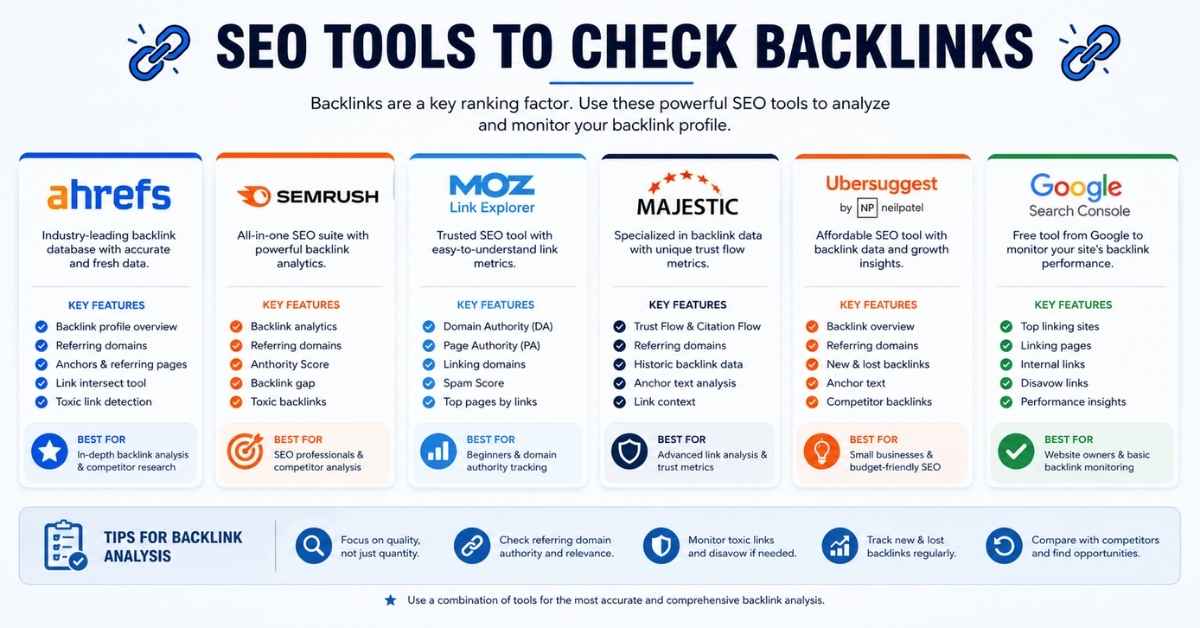
Essential Tools for Off-Page SEO
Using the right tools makes research, outreach, and performance tracking much easier.
Backlink Analysis Tools
These tools help you evaluate backlink quality, discover referring domains, and identify new opportunities.
Popular options include:
- Ahrefs
- Semrush
- Moz
- Majestic
Outreach Platforms
Outreach software helps organize campaigns and manage communication with publishers.
Useful features include:
- Email templates
- Follow-up reminders
- Contact management
- Campaign tracking
Competitor Research Tools
Study competitors to discover:
- Their strongest backlinks.
- Content attracting links.
- Industry partnerships.
- Link-building opportunities.
Learning from successful competitors can shorten your research process.
Analytics & Reporting
Monitor performance using:
- Google Search Console
- Google Analytics
These platforms help track organic traffic, impressions, clicks, referral traffic, and user engagement.
| Tool | Primary Purpose | Best For |
| Ahrefs | Backlink analysis | SEO professionals |
| Semrush | Competitor research | Agencies & marketers |
| Moz | Link metrics | Beginners |
| Majestic | Trust analysis | Link audits |
| Google Search Console | Search performance | All websites |
| Google Analytics | Traffic analysis | Businesses & bloggers |
Expert Checklist Before Starting Any Off-Page SEO Campaign
Before launching a campaign, review this checklist.
✔ Define clear SEO goals.
✔ Audit your existing backlink profile.
✔ Identify high-value linkable assets.
✔ Research competitors.
✔ Build a targeted outreach list.
✔ Personalize every outreach email.
✔ Focus on editorial backlinks rather than quantity.
✔ Monitor new backlinks regularly.
✔ Track organic traffic, referring domains, and keyword rankings.
✔ Review performance monthly and refine your strategy.
Following this checklist reduces wasted effort and helps maintain a consistent, ethical SEO process.
Frequently Asked Questions
What is off page SEO techniques?
Off page SEO techniques are activities performed outside your website—such as earning backlinks, brand mentions, digital PR, guest posting, and online reviews—to improve search engine rankings and website authority.
What are off page SEO techniques?
They are strategies that increase a website's credibility, visibility, and trustworthiness. Common examples include editorial link building, resource page outreach, broken link building, local citations, podcast interviews, and content promotion.
Which are the latest off page SEO techniques?
Some of the latest off page SEO techniques include:
- Digital PR
- Entity optimization
- Brand mention optimization
- Original research
- AI-friendly content promotion
- Podcast marketing
- Community engagement
- Data-driven content
These methods focus on building genuine authority rather than manipulating rankings.
How long does off-page SEO take to show results?
Most websites begin seeing improvements within three to six months, although the timeline depends on competition, website quality, industry, and the consistency of your efforts.
Is guest posting still effective?
Yes. Guest posting remains valuable when you contribute original, high-quality content to relevant, authoritative websites. The focus should be on providing value rather than simply acquiring links.
Are social media signals important for SEO?
Social media activity may not directly influence rankings, but it increases content visibility, attracts referral traffic, encourages brand mentions, and creates opportunities to earn natural backlinks.
Can off-page SEO improve local rankings?
Yes. Local citations, customer reviews, consistent business information, and an optimized Google Business Profile can strengthen local search visibility.
What's the difference between backlinks and brand mentions?
A backlink is a clickable hyperlink pointing to your website, while a brand mention is a reference to your business or website without a link. Both contribute to online reputation, although backlinks generally have a stronger direct impact on SEO.
Which tools help with off-page SEO?
Commonly used tools include:
- Ahrefs
- Semrush
- Moz
- Majestic
- Google Search Console
- Google Analytics
These tools support backlink analysis, competitor research, performance monitoring, and campaign reporting.
How do I measure off-page SEO success?
Monitor:
- Organic traffic
- Keyword rankings
- Referring domains
- Referral traffic
- Brand search volume
- Conversion rate
- High-quality backlinks
- Customer inquiries
These metrics provide a more complete picture than backlink counts alone.
Conclusion
Off page SEO techniques remain one of the most influential components of a successful SEO strategy. While on-page SEO and technical SEO optimize your website internally, off-page SEO demonstrates to search engines that your content deserves trust, recognition, and visibility.
Rather than chasing shortcuts or outdated tactics, focus on building editorial backlinks, strengthening brand authority, earning meaningful brand mentions, publishing valuable resources, and developing genuine relationships within your industry. These sustainable practices align with modern semantic SEO, entity optimization, E-E-A-T, and Google Helpful Content principles.
Remember that effective off-page SEO isn't measured by the number of links you acquire—it's measured by the authority, relevance, and trust you build over time. By consistently applying the strategies in this guide, monitoring your performance, and refining your approach, you'll be well positioned to increase organic traffic, improve keyword rankings, and establish long-term online authority.